
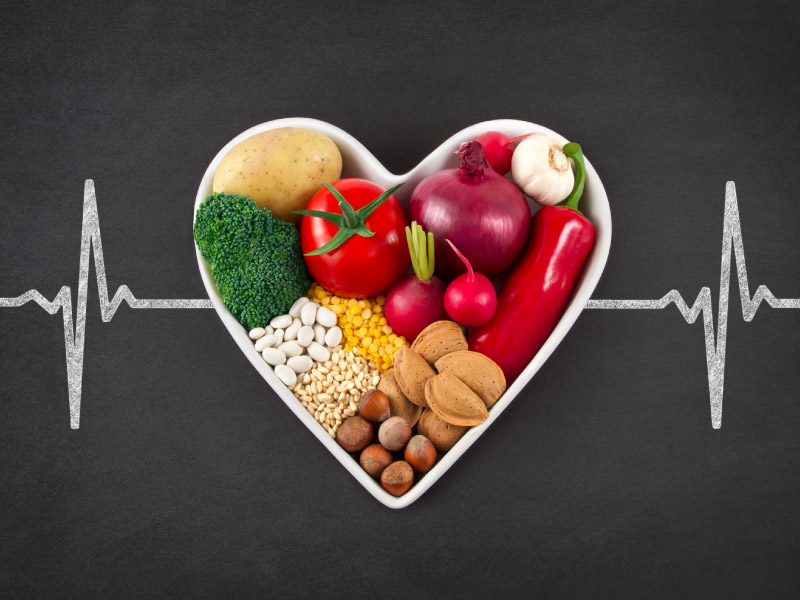
Heart health is closely connected to what we eat every day. A balanced and nutritious diet plays one of the most powerful roles in preventing heart disease, managing blood pressure, lowering cholesterol, and maintaining overall cardiovascular wellness. Modern cardiology strongly emphasizes nutrition as a primary tool for protecting the heart and improving long-term health.
Diet and nutrition for a healthy heart are not about strict dieting or eliminating all favorite foods. Instead, they focus on creating sustainable eating habits that support healthy blood vessels, stable cholesterol levels, and efficient heart function.
Why Nutrition Matters for Heart Health
The heart continuously pumps blood throughout the body, requiring proper nutrients to function effectively. Poor dietary habits can lead to plaque buildup in arteries, inflammation, obesity, and high blood pressure — all major contributors to cardiovascular disease.
A heart-healthy diet helps:
- Reduce bad cholesterol (LDL)
- Increase good cholesterol (HDL)
- Control blood pressure
- Maintain healthy body weight
- Improve blood sugar balance
- Reduce inflammation
Research consistently shows that dietary improvements significantly lower the risk of heart attacks and strokes.
Key Nutrients That Support a Healthy Heart
Certain nutrients directly influence cardiovascular health. Including these regularly in meals strengthens heart function and protects blood vessels.
1. Healthy Fats
Not all fats are harmful. Unsaturated fats help reduce cholesterol and improve artery health.
Healthy fat sources include:
- Olive oil
- Nuts and seeds
- Avocados
- Fatty fish such as salmon and mackerel
These fats replace harmful saturated and trans fats commonly found in processed foods.
2. Fiber
Dietary fiber helps remove excess cholesterol from the body and improves digestion.
High-fiber foods include:
- Whole grains
- Oats
- Lentils and beans
- Fruits and vegetables
Soluble fiber is particularly effective in lowering cholesterol levels.
3. Potassium
Potassium helps regulate blood pressure by balancing sodium levels in the body.
Common potassium-rich foods:
- Bananas
- Spinach
- Sweet potatoes
- Yogurt
- Tomatoes
4. Antioxidants
Antioxidants reduce inflammation and protect blood vessels from damage caused by oxidative stress.
Foods rich in antioxidants include berries, leafy greens, nuts, and colorful vegetables.
Best Foods for a Healthy Heart
A heart-friendly diet focuses on natural, minimally processed foods.
Heart-Healthy Food Groups
| Food Group | Benefits for the Heart |
|---|---|
| Fruits & Vegetables | Provide vitamins, fiber, antioxidants |
| Whole Grains | Improve cholesterol and digestion |
| Lean Proteins | Support muscle and heart repair |
| Fish | Rich in omega-3 fatty acids |
| Nuts & Seeds | Reduce inflammation |
| Legumes | Improve blood sugar and cholesterol |
Eating a variety of these foods ensures balanced nutrition.
Foods to Limit for Better Heart Health
Certain foods increase cardiovascular risk when consumed frequently.
Foods That Can Harm the Heart
- Processed and fried foods
- Excess salt (sodium)
- Sugary beverages and desserts
- Processed meats
- Trans fats and hydrogenated oils
Reducing these foods helps prevent artery damage and hypertension.
The Role of Sodium and Blood Pressure
High sodium intake is strongly linked to hypertension. Excess salt causes the body to retain water, increasing pressure on blood vessels and forcing the heart to work harder.
Experts recommend limiting sodium intake to about 1500–2300 mg per day depending on individual health needs.
Simple ways to reduce salt:
- Cook meals at home more often
- Use herbs and spices instead of salt
- Avoid packaged snacks and instant foods
Popular Heart-Healthy Diet Patterns
Instead of focusing on individual foods, cardiologists often recommend overall dietary patterns.
Mediterranean Diet
This diet emphasizes:
- Olive oil
- Fish
- Vegetables
- Whole grains
- Nuts
It is widely associated with lower heart disease risk.
DASH Diet (Dietary Approaches to Stop Hypertension)
Designed specifically to lower blood pressure, this plan encourages:
- Fruits and vegetables
- Low-fat dairy
- Whole grains
- Reduced sodium intake
Both diets are scientifically supported for cardiovascular health.
Healthy Eating Habits Beyond Food Choices
Heart nutrition also depends on how and when we eat.
Healthy habits include:
- Eating balanced portion sizes
- Avoiding overeating
- Maintaining regular meal timing
- Staying hydrated
- Limiting late-night heavy meals
Mindful eating improves digestion and metabolic health.
Weight Management and Heart Health
Excess body weight increases strain on the heart and raises the risk of diabetes and hypertension. A balanced diet helps maintain a healthy weight without extreme restrictions.
Gradual, sustainable changes are more effective than rapid dieting. Combining nutrition with regular physical activity produces the best results.
Hydration and Its Impact on the Heart
Proper hydration supports blood circulation and helps maintain stable blood pressure. Dehydration can cause the heart to work harder to pump blood.
Water remains the best choice for hydration, while sugary drinks should be minimized.
Nutrition for Different Life Stages
Heart nutritional needs change throughout life.
| Life Stage | Nutritional Focus |
|---|---|
| Young Adults | Build healthy habits early |
| Middle Age | Control cholesterol and weight |
| Older Adults | Maintain blood pressure and muscle health |
Adapting diet according to age supports lifelong heart wellness.
Practical Tips for Building a Heart-Healthy Plate
A simple way to plan meals is using balanced proportions:
- Half plate: vegetables and fruits
- One-quarter: whole grains
- One-quarter: lean protein
- Small portion: healthy fats
This approach ensures nutrient balance without complicated meal planning.
Common Nutrition Myths About Heart Health
Many misconceptions exist about heart diets.
Myth: All fats are bad.
Fact: Healthy fats are essential for heart protection.
Myth: Healthy food is always expensive.
Fact: Beans, grains, fruits, and vegetables are affordable heart-friendly options.
Myth: Only older adults need heart diets.
Fact: Prevention should begin early in life.
Conclusion
Diet and nutrition for a healthy heart form the foundation of cardiovascular wellness. Choosing nutrient-rich foods, limiting harmful ingredients, and maintaining balanced eating habits can significantly reduce the risk of heart disease.
A heart-healthy lifestyle does not require perfection — consistent small improvements create powerful long-term benefits. By combining proper nutrition with physical activity and regular medical checkups, individuals can protect their hearts and enjoy healthier, longer lives.
FAQs
1. What is the best diet for heart health?
The Mediterranean and DASH diets are widely recommended for improving cardiovascular health.
2. Which foods lower cholesterol naturally?
Oats, nuts, legumes, fruits, and fatty fish help reduce cholesterol levels.
3. How much salt is safe for heart health?
Most adults should limit sodium intake to 1500–2300 mg per day.
4. Can diet alone prevent heart disease?
Diet greatly reduces risk but works best when combined with exercise and healthy lifestyle habits.
5. Are carbohydrates bad for the heart?
Not all carbohydrates are harmful. Whole grains are beneficial, while refined sugars should be limited.