

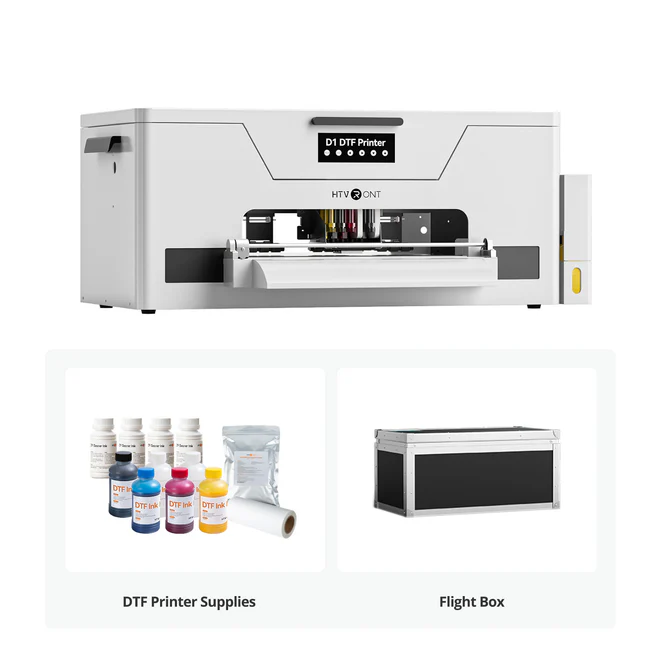
For many people, printing custom t-shirts is a great way to turn their creativity into cash; as such, many small businesses, creators and hobbyists have jumped on this trend. There are two main methods of printing t-shirts: DTF (Direct-to-Film) Printing and Printable Vinyl; both methods have advantages and disadvantages; therefore, you must know how they differ before selecting which option you would like to use to create your products.
This guide will discuss both DTF. and Printable Vinyl’s pros and cons, including essential tools such as a DTF printer for shirts and a heat press machine (best), and will help you find out what is best for your small merchandise production.
Understanding DTF Printing:
Dye Sublimation (The process of utilizing DTF printing) has the opportunity to have professionalism and flexibility in order to offer a greater variety of products. The DTF printing process utilizes a specialized ink that is then transferred onto a garment using heat and pressure; For DTF to work correctly there are many things that must occur prior to this process.
The dtf printing process is similar to what is known as digital printing; however during DTF you have a dtf printer that prints on transfer film (directly to film) which produces high quality prints like Dye sublimation. Once your dtf prints are complete they must be coated with an adhesive powder, cured and eventually transferred onto your garments using heat press.
When you utilize a dtf printer it can give you professional quality designs with great detail, repetitive colors, can be washed many times without fading or cracking and have the ability to offer single piece or bulk apparel production.
Additionally, because DTF prints are flexible the dtf garments also provide the end user with great comfort and durability (repeat). DTF provides businesses with a unique way of producing high-quality items while providing customers with comfort and durability.
Understanding Printable Vinyl:
Printable vinyl fabrics are great alternatives to DTF printed fabrics and they tend to be a better choice than DTF when also considering simpler designs that do not require an extreme amount of detail. With printable vinyl, you’ll use a piece of vinyl fabric that you’ll print your design onto and then will be using heat and pressure to transfer that printed design onto the garment or fabric you are applying it to. Printable vinyl will require an additional cutting step once your design is printed compared to DTF printed fabrics, therefore you wouldn’t anticipate creating large multiple layer printed patterns because the majority of your designs will be larger in size, contain larger text, and/or have logos printed on them.
The main reason most businesses and home hobbyists use printable vinyl is affordability and ease of use; if you are a small low-budget business or hobbyist that wants to produce your own custom t-shirts, you could begin doing so without having to buy a super high-end DTF printer. Printable vinyl tends to be used the most when producing limited quantities, created for personalization, and can be created and completed in a quick amount of time, which is important for event merchandise where time and simplicity are often a key factor.
There are limitations to using printable vinyl however; complex multiple color designs are often harder to reproduce using this medium, the texture of the material is slightly raised on the fabric it is being applied to, and, the wash durability between printable vinyl compared to DTF may be different, especially for areas of a garment that are under high-stress (example- ends of sleeves and seams).
The Role of the Best Heat Press Machine:
The heat press machine is a necessity in order to achieve the professional level of output needed for either DTF (Direct to Film) or Printable Vinyl (PV). A heat press applies consistent and even heat throughout the transfer process, as well as providing adequate pressure for each transfer application. Unlike an iron from home, a heat press allows for precise temperature and repeated results, this is especially important, when there are multiple orders/merch for a small business.
With DTF printing, you can “press” (adhere) the adhesive powder to the fabric by using the heat press after printing your design on a clear film. The recommended temperature for your heat press should be in the range of 300 to 320 degrees Fahrenheit (150 to 160 degrees Celsius), and your pressing time should be between 10 and15 seconds to achieve a successful transfer of the image without damaging the garment during the process. Printable Vinyl will be permanently adhered to the shirt by melting the backing with the heat press. By using the correct temperature, pressure and time you are guaranteed to get a durable as well as clean look using both applications.
Selecting the Method for Small Merchants:
When considering between Printable Vinyl and DTF (Direct to Film), your choice is based on your budget, design requirements and purpose. Should you wish to print lots of multi-colour designs with good durability where the print will withstand many washes whilst having detailed customisation, it’s more likely direct-t0-film (DTF) would be the better method for small merchandising businesses. Alternatively, printable vinyl or vinyl is a more economical option for small (one-off) type products and prints that are utilising a less complex/simple design and require a fast turnaround time with a low cost.
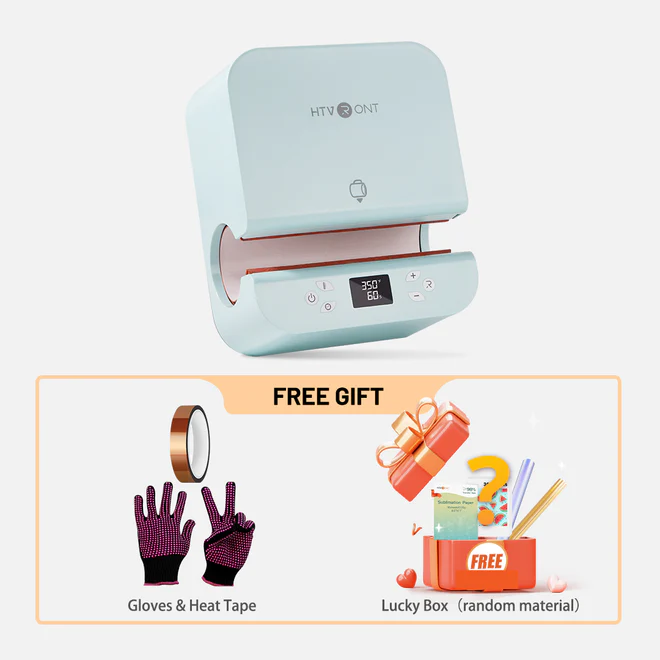
When small merchandising businesses use both DTF and printable vinyl methods together they have a greater range of product options and maintain control of production costs. Printing DTF for complex graphics and printable vinyl for simple logos and text combinations will achieve greater variety when compared to only producing DTF or only producing printable vinyl. Whether you choose to use DTF, printable vinyl or both methods, you will be required to provide purchases with correct applications; e.g., the best printer for t-shirts DTF printing (DTF) and best heat press machine (Heat Press) for producing timely and professional-looking merchandise.
Conclusion:
DTF printing and printable vinyl can both be used for custom t-shirt manufacturing. A DTF printer paired with a top-of-the-line heat press will give apparel companies the necessary quality, versatility, and durability that they require in order to produce high quality t-shirts. The use of printable vinyl for basic designs and making custom T-shirts in small quantities provides a cost-effective method which is also simple and convenient. Small businesses can create custom T-shirt production strategies efficiently and produce shirts that attract a broader base of consumers by comprehending the benefits of each method.
If you are beginning or expanding a custom t-shirt company, mastering both methods can provide many new opportunities. Using the correct equipment, knowledge and imagination, you will be able to create and sell unique, high-quality custom t-shirts that will distinguish your business from your competitors and assist in your small business’s success.