

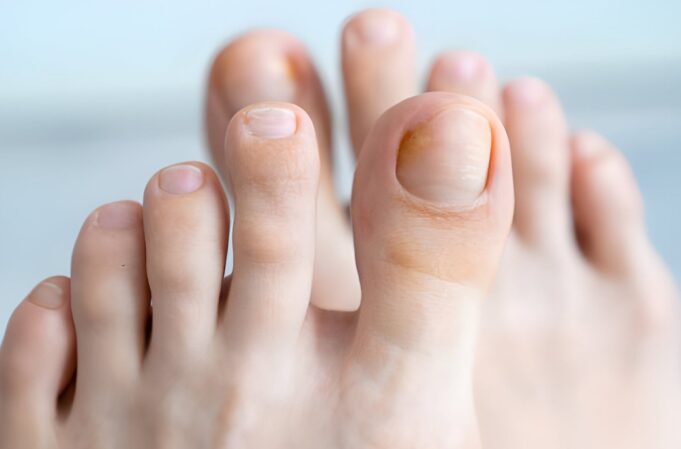
Nail fungus, or onychomycosis, affects millions of people worldwide, turning once-healthy toenails or fingernails into thickened, yellowed, or brittle messes that can be both unsightly and uncomfortable.
If you’ve been dealing with discolored nails, crumbling edges, or that persistent foul odor, you’re not alone. Many sufferers start with home remedies hoping for a quick, natural fix, while others wonder if prescription options are the only reliable path.
The truth lies somewhere in between — but the data is clear. Home remedies can support mild cases and offer gentle relief, yet medical treatments deliver far higher cure rates for moderate to severe infections.
In 2026, with new compounding techniques and refined topical formulas emerging, the gap between DIY approaches and clinical solutions has never been more defined. This comprehensive guide breaks down the science, real-world effectiveness, risks, and smart decision-making so you can choose the right path and finally reclaim healthy nails.
Popular Home Remedies for Nail Fungus: What the Evidence Shows
Many people turn first to pantry staples and essential oil best treatment for nail fungus because they’re affordable, accessible, and feel safer than pills. Common options include soaking in apple cider vinegar or diluted bleach, applying baking soda pastes, or using mentholated rubs like Vicks VapoRub.
These methods aim to create an inhospitable environment for fungus through acidity or natural antifungal compounds.
Among the most researched options are Natural Oils such as tea tree oil, which lab studies show can inhibit fungal growth in test tubes. Small human trials report modest improvement after 6–12 months of twice-daily application, but larger reviews in 2025–2026 conclude the evidence remains limited and inconsistent.
Success rates hover well below 30–40% for complete clearance, especially in thicker toenails. While these remedies rarely cause harm and may soften nails or reduce odor, they work best as supportive care rather than standalone cures.
Medical Treatments for Nail Fungus: The Gold Standard
When home remedies fall short, dermatologists and podiatrists recommend evidence-based medical approaches backed by decades of clinical trials. Oral antifungals remain the most powerful weapon, with terbinafine leading the pack.
Taken daily for 12 weeks (toenails), it achieves mycologic cure rates of 70–80% and complete nail clearance in roughly 38–76% of patients, depending on severity and adherence.
Topical prescription solutions — including efinaconazole, tavaborole, and ciclopirox lacquer — offer safer profiles for those who can’t take pills. These penetrate the nail better than over-the-counter creams and work well for mild-to-moderate cases, though they require up to 48 weeks of daily use and deliver lower success rates around 35–50%. Newer compounding formulas combining urea with antifungals are gaining traction in 2026 for enhanced penetration without systemic risks.
Laser therapy and surgical nail removal serve as adjuncts or last resorts. While lasers improve appearance temporarily, they rarely eradicate the fungus alone. The real game-changer is combining oral or topical medication with regular professional debridement (nail trimming), which dramatically boosts outcomes.
Head-to-Head Comparison: Effectiveness, Time, Cost, and Convenience
Let’s cut through the hype with side-by-side numbers. Medical treatments — especially oral terbinafine — consistently outperform home remedies in head-to-head data. Complete cure rates for prescriptions reach 50–80% versus under 30% for most natural options.
Time-wise, pills finish the heavy lifting in 3–4 months (plus nail regrowth), while home remedies demand 6–12 months of twice-daily effort with higher failure rates.
Cost tells another story. A full course of generic terbinafine runs $50–150 with insurance, while prescription topicals can exceed $500–1,000 without coverage. Home remedies? Often under $20 for months of supplies. Convenience favors home approaches initially — no doctor visits or liver monitoring required — but frustration sets in when nails stay infected.
Recurrence remains the hidden challenge for both: up to 40% across all methods. Medical routes reduce this risk through deeper fungal eradication, while home remedies often leave residual spores. For mild cases affecting one nail, home remedies plus good hygiene can suffice. For multiple nails, pain, or underlying conditions like diabetes, medical intervention wins decisively.
Safety, Side Effects, and Who Should Avoid Each Approach
Home remedies shine in the safety department. Tea tree oil or vinegar soaks rarely cause issues beyond mild skin irritation if overused. They’re ideal for pregnant individuals, those with liver concerns, or anyone wary of medications. Still, improper dilution or prolonged use can damage surrounding skin or delay proper treatment.
Medical options carry more considerations. Oral terbinafine requires baseline liver function tests and monitoring because of rare but serious risks like hepatotoxicity. Drug interactions with common medications (statins, antidepressants) also matter.
Topical prescriptions are safer overall, with side effects limited to local redness or stinging. In 2026 guidelines, doctors routinely screen patients and tailor plans — making professional oversight the smartest safety net.
When to Skip Home Remedies and Seek Professional Medical Care
Listen to your nails — and your body. If you’ve tried diligent home treatment for 3–6 months with zero improvement, multiple nails are involved, or you notice spreading redness, pain, or pus, it’s time for medical evaluation. People with diabetes, poor circulation, or immune suppression should never rely solely on home remedies, as untreated fungus raises infection and complication risks.
A simple office visit with nail clipping for lab confirmation takes the guesswork out. Podiatrists and dermatologists now combine therapies — oral medication plus debridement plus maintenance topicals — achieving the highest clearance rates while minimizing recurrence. Early medical intervention often shortens total treatment time and saves money long-term by preventing severe damage.
Prevention Tips to Stop Nail Fungus Before It Starts
Prevention beats any cure. Keep feet dry and clean — change socks immediately after sweating, use antifungal powder in shoes, and alternate footwear. Wear breathable shoes and flip-flops in locker rooms or pools. Trim nails straight across and file thickened areas gently to reduce hiding spots for fungus.
Moisturize cuticles but never trap moisture under polish. If you frequent salons, bring your own tools or choose places that sterilize properly. For those prone to recurrence, monthly maintenance with antifungal cream or powder creates a protective barrier. Small daily habits compound into powerful defense against reinfection.
Final Verdict: Home Remedies vs Medical Treatment for Nail Fungus
Home remedies offer a gentle, low-cost entry point and can beautifully support medical therapy, especially when using quality natural oils or supportive soaks. Yet for true onychomycosis — particularly moderate or stubborn cases — medical treatments remain the clear winner in speed, effectiveness, and long-term clearance.
The smartest strategy in 2026? Start with an accurate diagnosis, try supportive home care for very mild issues, and escalate to proven medical options when needed. Consult a podiatrist or dermatologist early — your nails (and confidence) will thank you. Healthy, clear nails aren’t just possible; with the right informed approach, they’re achievable.