


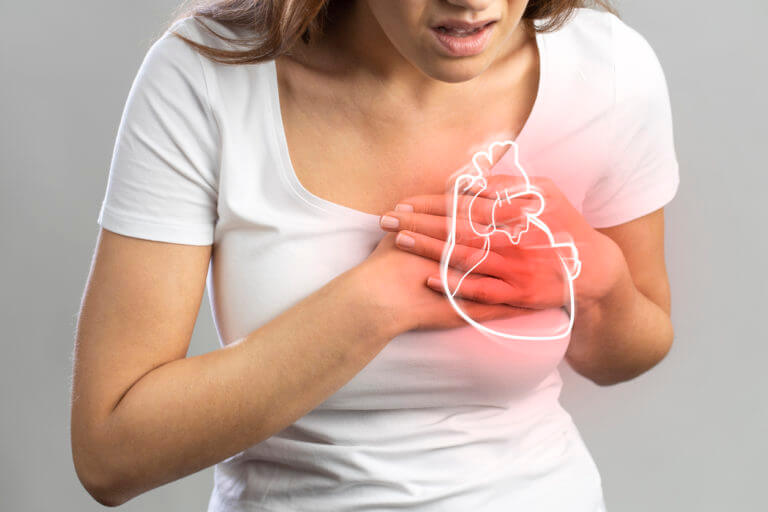
Heart disease is often mistakenly viewed as a condition that primarily affects men, but it is actually one of the leading causes of death among women worldwide. From a cardiology perspective, women experience heart disease differently in terms of risk factors, symptoms, diagnosis, and treatment outcomes.
Understanding how cardiovascular disease uniquely affects women is essential for early detection and effective prevention. Hormonal differences, lifestyle factors, pregnancy-related conditions, and biological variations all influence how heart disease develops in women.
Modern cardiology increasingly recognizes the need for gender-specific research and personalized approaches to heart care.
Why Heart Disease in Women Deserves Special Attention
For many years, heart disease research focused mainly on male patients. As a result, symptoms and treatment models were largely based on male physiology. Today, cardiologists understand that women may develop heart disease later in life but often experience more severe complications once diagnosed.
Key reasons women require specialized cardiac attention include:
- Different symptom presentation
- Hormonal influences on heart health
- Higher risk after menopause
- Underdiagnosis due to atypical symptoms
Awareness plays a major role in improving survival rates among women.
Unique Risk Factors for Women
While traditional cardiovascular risk factors affect both genders, women face additional risks linked to hormonal and reproductive health.
Traditional Risk Factors
- High blood pressure
- High cholesterol
- Smoking
- Diabetes
- Obesity
- Physical inactivity
Female-Specific Risk Factors
Women may develop heart disease due to conditions unique to female biology:
- Pregnancy complications such as preeclampsia
- Gestational diabetes
- Early menopause
- Polycystic ovary syndrome (PCOS)
- Autoimmune diseases (more common in women)
These factors increase long-term cardiovascular risk even years after pregnancy.
How Heart Disease Symptoms Differ in Women
One of the most important cardiology insights is that women often experience symptoms different from the classic chest pain commonly described in men.
Common Symptoms in Women
Women may experience subtle or unusual warning signs such as:
- Shortness of breath
- Extreme fatigue
- Nausea or indigestion-like discomfort
- Back, neck, or jaw pain
- Dizziness or lightheadedness
- Sleep disturbances
Because symptoms may appear mild or unrelated to the heart, many women delay seeking medical care.
Types of Heart Disease Common in Women
Cardiologists have identified certain heart conditions that occur more frequently or differently in women.
| Condition | Description |
|---|---|
| Coronary Microvascular Disease | Damage to small heart arteries rather than major vessels |
| Spontaneous Coronary Artery Dissection (SCAD) | Tear in artery wall, often affecting younger women |
| Heart Failure with Preserved Ejection Fraction | Heart becomes stiff rather than weak |
| Stress-Induced Cardiomyopathy | Temporary heart weakness triggered by emotional stress |
These conditions may not always appear clearly in standard diagnostic tests, making specialized evaluation important.
Hormones and Heart Health
Hormones, especially estrogen, play a significant role in cardiovascular protection during reproductive years. Estrogen helps maintain flexible blood vessels and healthy cholesterol levels.
After menopause, estrogen levels decline, increasing the risk of:
- High blood pressure
- Artery stiffness
- Cholesterol imbalance
- Cardiovascular disease
This explains why heart disease risk rises sharply in women after age 50.
Challenges in Diagnosis
From a cardiology perspective, diagnosing heart disease in women can be challenging because symptoms and disease patterns differ from traditional expectations.
Common diagnostic challenges include:
- Normal results on standard stress tests despite symptoms
- Smaller coronary arteries
- Misinterpretation of symptoms as anxiety or stress
Doctors may use additional testing such as advanced imaging, cardiac MRI, or specialized blood tests to improve accuracy.
Treatment Approaches for Women
Treatment strategies for women are similar to men but may require personalized adjustments based on physiology, age, and hormonal status.
Lifestyle-Based Treatment
Lifestyle changes remain the foundation of heart disease management:
- Balanced nutrition rich in fruits and vegetables
- Regular physical activity
- Stress management
- Healthy weight maintenance
- Smoking cessation
Medications
Common medications include:
- Blood pressure control drugs
- Cholesterol-lowering medications
- Blood thinners
- Diabetes management therapies
Dosages and responses may differ between women and men, requiring careful monitoring.
Interventional and Surgical Care
Procedures such as angioplasty, stenting, or bypass surgery are effective for women, though early diagnosis significantly improves outcomes.
Prevention Strategies for Women
Preventive cardiology focuses on identifying risk early and encouraging lifelong heart-healthy habits.
Key prevention strategies include:
- Regular blood pressure and cholesterol checks
- Maintaining active lifestyle routines
- Managing stress levels
- Monitoring heart health after pregnancy complications
- Routine medical screenings after menopause
Education and awareness campaigns have proven effective in reducing heart disease risk among women.
Mental Health and Heart Disease in Women
Emotional stress, depression, and anxiety have a stronger connection to heart disease risk in women compared to men. Chronic stress increases inflammation and blood pressure, placing additional strain on the cardiovascular system.
Mind-body approaches such as meditation, yoga, and counseling can improve both emotional and heart health.
The Role of Preventive Cardiology for Women
Modern cardiology emphasizes prevention rather than waiting for symptoms to appear. Preventive programs include:
- Risk assessment tools designed specifically for women
- Lifestyle coaching
- Remote health monitoring
- Personalized health plans
These approaches aim to reduce long-term cardiovascular complications.
Future Directions in Women’s Cardiology
Research continues to focus on improving understanding of gender differences in heart disease. Future advancements may include:
- Gender-specific treatment guidelines
- AI-assisted diagnosis for atypical symptoms
- Personalized hormone-related therapies
- Improved screening methods for younger women
These developments will help close the gap in cardiovascular outcomes between men and women.
Conclusion
From a cardiology perspective, heart disease in women is a complex and often underrecognized health issue. Women experience unique risk factors, different symptoms, and specific challenges in diagnosis and treatment.
Greater awareness, early screening, and personalized care are essential for improving heart health outcomes. By understanding warning signs and adopting preventive lifestyle habits, women can significantly reduce their risk and protect their cardiovascular health throughout life.
Heart disease is largely preventable, and informed action remains the strongest defense for a healthier future.
FAQs
1. Is heart disease common in women?
Yes, heart disease is one of the leading causes of death among women globally.
2. Do women have different heart attack symptoms than men?
Yes, women often experience less obvious symptoms such as fatigue, nausea, and shortness of breath.
3. Does menopause increase heart disease risk?
Yes, declining estrogen levels after menopause increase cardiovascular risk.
4. Can young women develop heart disease?
Yes, especially if risk factors like smoking, diabetes, or pregnancy complications are present.
5. How can women protect their heart health?
Regular checkups, healthy diet, exercise, stress management, and avoiding smoking are key preventive steps.