

Dental treatments often create anxiety, and among them, root canal treatment is probably the most misunderstood procedure. Many people associate it with severe pain, long recovery times, or complicated procedures. However, modern dentistry has transformed root canal therapy into a safe, effective, and relatively comfortable treatment.
Understanding the truth behind common myths can help patients make informed decisions about their dental health. This article explains what root canal treatment really is, why it is performed, and separates myths from facts you should know.
What Is Root Canal Treatment?
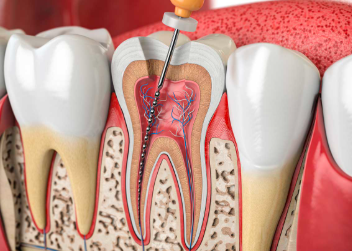
Root canal treatment is a dental procedure used to save a tooth that has become infected or severely damaged. Inside every tooth lies a soft tissue called pulp, which contains nerves and blood vessels. When bacteria reach this pulp due to deep decay, cracks, or injury, infection develops.
During a root canal procedure, the dentist removes the infected pulp, cleans and disinfects the inside of the tooth, and seals it to prevent further infection.
Why Is Root Canal Needed?
A dentist may recommend a root canal if you experience:
- Persistent tooth pain
- Sensitivity to hot or cold foods
- Swollen or tender gums
- Tooth discoloration
- Abscess or infection around the tooth root
Without treatment, the infection can spread and eventually lead to tooth loss.
How Root Canal Treatment Works
Understanding the process helps reduce fear and confusion.
Step-by-Step Procedure
- Examination and X-ray – The dentist evaluates infection severity.
- Local Anesthesia – The area is numbed to ensure comfort.
- Pulp Removal – Infected tissue is carefully removed.
- Cleaning and Shaping – Root canals are disinfected.
- Filling and Sealing – Special material seals the tooth.
- Restoration – A crown may be placed to restore strength.
Modern techniques and anesthesia make the procedure similar in comfort to getting a dental filling.
Common Myths About Root Canal Treatment
Many misconceptions come from outdated experiences or misinformation.
Myth 1: Root Canal Treatment Is Extremely Painful
This is the most common myth. In reality, root canal treatment relieves pain rather than causing it. Modern anesthesia and technology make the procedure comfortable. Most patients report feeling little to no pain during treatment.
Myth 2: Tooth Extraction Is Better Than Root Canal
Some believe removing the tooth is easier. However, saving a natural tooth is almost always the best option. Tooth extraction can lead to:
- Jawbone loss
- Shifting teeth
- Bite problems
- Need for implants or bridges
A root canal preserves your natural tooth structure.
Myth 3: Root Canals Cause Illness
This myth originated from outdated research conducted nearly a century ago. Modern scientific evidence confirms that root canal treatments are safe and do not cause systemic diseases.
Myth 4: The Treatment Requires Many Painful Visits
In most cases, root canal treatment can be completed in one or two appointments depending on the infection level.
Myth 5: Root Canal Treatment Doesn’t Last Long
With proper care and a dental crown, a treated tooth can last a lifetime.
Facts About Root Canal Treatment
Let’s look at the reality supported by modern dentistry.
Fact 1: Root Canal Saves Natural Teeth
Preserving natural teeth helps maintain chewing ability and jaw alignment.
Fact 2: The Procedure Stops Infection
Cleaning the root canals removes bacteria and prevents infection from spreading.
Fact 3: Recovery Is Usually Quick
Most patients resume normal activities the next day.
Fact 4: Success Rate Is Very High
Root canal treatments have a success rate of over 90% when properly performed and maintained.
Signs You May Need a Root Canal
Sometimes symptoms are obvious, while other times infection develops silently.
Warning Signs Include
- Severe toothache while chewing
- Lingering sensitivity
- Swollen gums
- Pimples on gums (abscess)
- Darkened tooth color
Regular dental checkups help detect these problems early.
Benefits of Root Canal Treatment
Root canal therapy offers several long-term advantages.
Key Benefits
- Eliminates tooth pain
- Prevents infection spread
- Saves natural tooth
- Restores normal chewing function
- Improves oral health
Saving a tooth also helps maintain your natural smile and facial structure.
Aftercare Tips for Faster Recovery
Proper care after treatment ensures long-term success.
Recommended Aftercare
- Avoid chewing hard foods initially
- Maintain good oral hygiene
- Brush and floss daily
- Take prescribed medication if needed
- Visit dentist for follow-up and crown placement
Once fully restored, the treated tooth functions like a normal tooth.
Root Canal vs Tooth Extraction
| Feature | Root Canal | Tooth Extraction |
|---|---|---|
| Saves natural tooth | Yes | No |
| Recovery time | Short | Longer |
| Cost long-term | Lower | Higher (replacement needed) |
| Jawbone preservation | Maintained | Bone loss possible |
| Smile appearance | Natural | May require implant |
This comparison shows why dentists usually recommend saving the tooth whenever possible.
How to Prevent Needing a Root Canal
Although root canals are effective, prevention remains the best approach.
Prevention Tips
- Brush twice daily
- Floss regularly
- Reduce sugar intake
- Wear mouthguards during sports
- Visit dentist every six months
Early cavity treatment can prevent infections that lead to root canals.
Conclusion
Root canal treatment is one of the most beneficial procedures in modern dentistry, yet it remains surrounded by myths and misconceptions. The truth is that root canal therapy is designed to relieve pain, eliminate infection, and save your natural tooth.
Advancements in dental technology have made the procedure safe, efficient, and comfortable. Understanding the facts helps reduce fear and encourages timely treatment. Instead of avoiding dental care due to myths, patients should rely on professional advice and prioritize oral health for long-term well-being.
FAQs
1. Is root canal treatment painful?
No. Modern anesthesia ensures the procedure is comfortable and usually pain-free.
2. How long does a root canal take?
Most treatments take 60–90 minutes and may require one or two visits.
3. Can a tooth survive long after a root canal?
Yes. With proper care and a crown, the tooth can last many years or even a lifetime.
4. What should I avoid after a root canal?
Avoid chewing hard foods on the treated tooth until it is fully restored with a crown.
5. Is root canal treatment safe?
Yes. It is a well-researched and safe dental procedure widely performed worldwide.